Hey everyone, if you’ve ever wondered why that car’s dashboard fits like a glove, or why the bumper repair after a small fender bender actually works, you’re looking at automotive plastic parts – and size matters more than you’d think. As someone who’s been running an automotive plastic parts supplier for over 12 years, I’ve seen it all: from tiny clips that hold your headliner in place to massive bumpers that wrap around an entire car’s front end. Today, I’m breaking down the typical sizes of these parts, no boring engineering jargon, just real talk from someone who’s shipped thousands of them. Automotive Plastic Parts
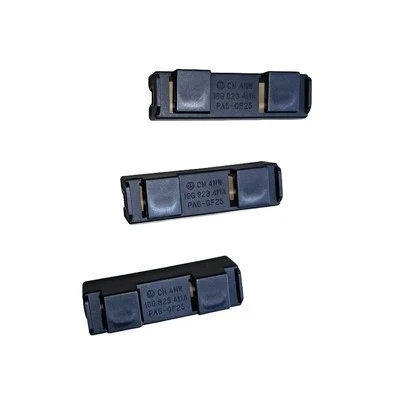
First off, let’s get one thing straight: automotive plastic parts aren’t one-size-fits-all. They range from pieces so small you could lose them in your cupholder to ones big enough to be a car’s main visual feature. I split them into three main size categories because that’s how I organize my shop floor – it’s easy to track inventory, ship fast, and make sure we’re quoting right for every job. Let’s start with the tiny stuff, because a lot of people sleep on these.
Micro parts, we call ’em, and they’re usually under 2 inches (5 cm) in any dimension. Think about the little plastic clips that hold door panels to the metal frame, or the fasteners that secure side mirror housings, or even the tiny gear inside your dashboard’s vent control. Wait, I’ve shipped micro parts that were smaller than a grain of rice – those are the little plastic pins that keep airbag connectors from wiggling loose. Yeah, you didn’t even notice those, but take ’em out and your door panel comes crashing down. Most micro parts are 0.25 to 1.5 inches long/wide, max. I make sure our molds for these are precision-machined; if one is 0.1 inch too small, it won’t clip right. Last year, I had a client who got 100,000 micro clips from another supplier that were off by just that tiny bit – they had to recall 500 cars because half the door panels wouldn’t stay on. That’s why we check every micro part under a microscope (well, a digital caliper with micro settings, same thing).
Next up, small parts. These are 2 to 12 inches (5 to 30 cm) across. This is where most of the trim parts live: side mirror housings, door handles, cupholder inserts, dashboard control knobs, even the small storage bins that fit in center consoles. I recently shipped a batch of small side mirror bases – each was about 8 inches wide, 5 inches tall, solid plastic with a textured finish so they don’t scratch. What’s funny about small parts is that they’re super easy to ship, but they have to be exact. A door handle that’s 0.5 inch too long won’t fit in the door cutout, and if the mounting holes are off by 1 mm, the whole thing is useless. I keep a stack of sample small parts in my office – I pull one out when a new client calls and says “how big is a typical door handle?” and show ’em, so they get it instantly. A lot of first-time buyers underestimate how consistent these need to be; they think “it’s just a plastic handle” but no, it has to align perfectly with the door’s paint line.
Then we get to the big ones – medium to large parts, 12 inches (30 cm) and up. This is where things start to get heavy, and shipping and mold costs jump way up. Medium parts are 12 to 36 inches (91 cm) – think bumpers’ side sections, tail light housings, rear spoiler ends, the lower trim that runs along the car’s doors. Large parts are 3 feet (91 cm) and bigger: full bumpers, dashboard assemblies, trunk lids (plastic ones, not metal), front grilles, even the whole side cladding that wraps around a minivan’s body. I shipped a full plastic dashboard for an electric SUV last year – that thing was 5 feet wide, 2.5 feet tall, and weighed 18 pounds. When you’re dealing with parts this big, size tolerance is way different than small stuff. For a full bumper, an inch of difference isn’t a big deal, but a 0.25 inch gap where it meets the hood or fender will make the whole car look cheap. We use large CNC machines to check these, not just calipers. Also, large parts need way more material – a standard bumper is 10 to 15 pounds of plastic, so getting the size right is key to not wasting resin or making a part that’s too heavy.
Wait, I should mention that some parts are “custom sizes” too, not just these categories. Like, if a luxury car maker wants a custom center console that’s shaped to fit their new model’s infotainment system, that’s 2 feet wide but only 6 inches deep – a size that doesn’t fit perfectly in any of my main buckets, so I just note it as “specialty small-medium” in my system. But 90% of the parts we ship fall into those three main size groups, so I can quote fast and keep lead times low.
Why does size matter, anyway? For us as a supplier, it’s all about production speed and cost. Micro parts are cheap to mold – each cycle can make 100 of ’em, so we can ship 500,000 in a week. A full bumper, though, each mold cycle makes 1 part, so it takes way longer. For the car makers, size affects fit, weight, and even fuel efficiency – lighter plastic parts mean better gas mileage, and a bumper that’s the exact right size absorbs impact better in a crash. I once had a client switch to us because their old supplier’s bumpers were 0.1 inch too narrow, so they had to add extra plastic filler at the body shop. That added $200 per car in labor, so they saved $10k a month switching to us.
Another thing I’ve learned over the years: size also ties into the material we use. Micro parts need tough plastic that doesn’t break when you clip ’em – we use a glass-reinforced nylon. Large parts like bumpers need flexible plastic, so they don’t crack in a parking lot fender bender. If I tried to make a micro door clip out of the same flexible plastic as a bumper, it’d bend and break the first time someone yanked on the door panel. So size dictates material, which dictates everything else – that’s why we don’t just look at dimensions, we consider what the part is for.
I get a lot of emails from small garages or new car companies asking “what size do I need?” and my answer is always: tell me what the part does, and what car it’s for, and I’ll give you the exact size and a quote. Last month, a guy who fixes old classic cars reached out – he needed a replacement dashboard for a 1967 Mustang, which is custom sized, not a modern car part. We made a mold for a custom dash that was 48 inches wide, 22 inches tall, and it fit perfect. That’s the cool part of this job – no two parts are exactly the same, even if they’re in the same size group.
Wait, I should also talk about tolerance, because that’s what people actually care about more than just the size number. For micro parts, tolerance is ±0.005 inches – that’s half the thickness of a human hair. For small parts, it’s ±0.02 inches, and for large parts like bumpers, it’s ±0.1 inches. That means a bumper that’s supposed to be 60 inches long can be 59.9 to 60.1 inches and still be good. If we go over that, the bumper gaps too much. I’ve had a few mistakes over the years – once, during a mold change, the machine was set wrong for a large side cladding, so it came out 0.3 inches too long. We caught it before shipping, cut 0.2 inches off the end, and it worked fine, but I learned to double-check every part that’s over 2 feet long. That mistake cost me a few hours of work, but it saved a client from a headache.

Let me wrap this up. If you’re in the market for automotive plastic parts, don’t just ask for “plastic parts” – tell me what size you need, what it’s for, and what car it’s going on. Whether you need 100 micro clips for a repair shop or 10,000 full bumpers for a new car line, I’ve got the molds, the materials, and the team to get it right. We work with everyone from small local garages to big national auto manufacturers, and our size expertise is what keeps us coming back. If you’ve got a project in mind, hit me up to chat – no pressure, just real answers about sizes, costs, and lead times.
Automotive Plastic Air Vent Housing References:
- Society of Automotive Engineers (SAE) International. "Automotive Plastics Specification Standards." 2022.
- Modern Plastics. "Size and Tolerance Guidelines for Automotive Injection-Molded Parts." 2021.
- Automotive Aftermarket Industry Association (AAIA). "2023 Automotive Parts Size and Fit Report."
Ningbo Xiaohua Plastic Industry Co., Ltd.
We are one of the most experienced automotive plastic parts manufacturers and suppliers in China, specialized in providing high quality customized service to global clients. We warmly welcome you to wholesale durable automotive plastic parts in stock here from our factory.
Address: No. 878, Gulin Section, Yinxian Avenue, Haishu District, Ningbo City, Zhejiang Province
E-mail: 13736009355@163.com
WebSite: https://www.cnxiaohua.com/
