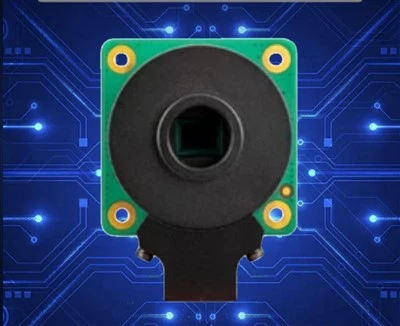
As a supplier of standard (5–12MP) cameras, I’ve witnessed firsthand the rapid evolution of imaging technology. In the world of photography and videography, megapixels have long been a standard metric for evaluating camera performance. However, it’s important to understand that the number of megapixels alone doesn’t tell the whole story. Today, I’ll delve into how the image quality of modern standard (5–12MP) cameras compares to older models with similar megapixels. Standard (5–12MP)
The Basics of Megapixels
Before we dive into the comparison, let’s briefly review what megapixels are. A megapixel is equal to one million pixels, and it refers to the resolution of an image. In theory, a higher megapixel count means more detail can be captured, resulting in larger and potentially sharper images. However, this relationship isn’t always straightforward, especially when comparing cameras across different generations.
Technological Advancements in Modern Cameras
Over the years, significant technological advancements have been made in camera design and sensor manufacturing. These improvements have had a profound impact on image quality, even for cameras with a relatively modest 5–12MP resolution.
1. Sensor Technology
One of the most significant improvements in modern cameras is the development of sensor technology. Older cameras often used CCD (Charge-Coupled Device) sensors, which were known for their high noise levels and limited dynamic range. In contrast, most modern cameras use CMOS (Complementary Metal-Oxide-Semiconductor) sensors, which offer several advantages.
CMOS sensors are more power-efficient, which means they can operate at higher speeds without generating as much heat. This results in less noise, especially in low-light conditions. Additionally, CMOS sensors have a wider dynamic range, allowing them to capture more details in both bright and dark areas of an image. For example, when shooting a landscape with a bright sky and a dark foreground, a modern 5–12MP camera with a CMOS sensor will be able to capture more details in both the sky and the foreground compared to an older camera with a CCD sensor.
2. Image Processing Algorithms
Another area where modern cameras excel is in their image processing algorithms. These algorithms are responsible for enhancing the raw image data captured by the sensor. They can adjust for color accuracy, sharpness, contrast, and noise reduction.
Older cameras had relatively basic image processing capabilities, which often resulted in images that looked flat and lacked detail. In contrast, modern cameras use advanced algorithms that can analyze the scene and apply the appropriate adjustments in real-time. For example, a modern 5–12MP camera may use a multi-frame noise reduction algorithm to reduce noise while preserving details. This means that even in challenging lighting conditions, the camera can still produce high-quality images.
3. Lens Quality
The quality of the lens also plays a crucial role in image quality. Modern camera lenses are designed using advanced optical engineering techniques and high-quality materials. They are able to correct for various optical aberrations, such as distortion, chromatic aberration, and vignetting.
Older lenses often suffered from these optical issues, which could degrade the overall image quality. In contrast, modern lenses are able to produce sharp, clear images with accurate colors and minimal distortion. For a 5–12MP camera, a high-quality lens can make a significant difference in the final image, allowing the camera to fully utilize its resolution capabilities.
Comparing Image Quality in Practice
To better understand the difference in image quality between modern and older standard (5–12MP) cameras, let’s look at some real-world scenarios.
1. Low-Light Photography
In low-light conditions, the performance of a camera is severely tested. Older cameras with 5–12MP resolution often struggled to produce usable images in low light. The high noise levels and limited dynamic range of their CCD sensors made it difficult to capture details without introducing a lot of grainy noise.
Modern 5–12MP cameras, on the other hand, are much better equipped to handle low-light situations. Thanks to their CMOS sensors and advanced image processing algorithms, they can capture images with less noise and more detail. For example, when taking a photo of a dimly lit room or a night sky, a modern camera will be able to capture more stars and details in the shadows compared to an older camera.
2. Color Accuracy
Color accuracy is another important aspect of image quality. Older cameras often had issues with color reproduction, resulting in images that looked too warm or too cool, or had inaccurate colors. This was due in part to the limitations of their sensor technology and image processing algorithms.
Modern cameras are able to produce more accurate colors thanks to improved sensor sensitivity and advanced color calibration algorithms. They can also adjust for different lighting conditions, such as daylight, fluorescent light, and incandescent light, to ensure that the colors in the image look natural. For example, when photographing a still life with a variety of colorful objects, a modern 5–12MP camera will be able to capture the true colors of the objects more accurately compared to an older camera.
3. Image Sharpness
Image sharpness is a key factor in determining the overall quality of an image. Older cameras may have had a 5–12MP resolution, but their lenses and image processing capabilities often limited the level of sharpness they could achieve. The images may have appeared blurry or soft, especially in areas with fine details.
Modern cameras, with their high-quality lenses and advanced image processing algorithms, are able to produce sharper images. They can enhance the details in the image while reducing noise and artifacts. For example, when taking a portrait, a modern 5–12MP camera will be able to capture the fine details of the subject’s face, such as the eyelashes and pores, more clearly compared to an older camera.
The Importance of Image Quality in Different Applications
The improved image quality of modern standard (5–12MP) cameras has significant implications for various applications.
1. Surveillance
In the field of surveillance, image quality is crucial for identifying people and objects. Modern 5–12MP cameras can provide clear and detailed images, even in low-light conditions. This allows for better monitoring and security, as important details such as facial features and license plate numbers can be easily captured.
2. Industrial Inspection
In industrial inspection applications, high-quality images are needed to detect defects and ensure product quality. Modern 5–12MP cameras can capture precise details of small components, making it easier to identify any flaws or abnormalities.
3. Consumer Photography
For consumers, image quality is important for capturing memories and creating high-quality photos. Modern 5–12MP cameras can produce beautiful, professional-looking images that are suitable for sharing on social media or printing.
Conclusion
In conclusion, the image quality of modern standard (5–12MP) cameras is significantly better than that of older models with similar megapixels. Thanks to advancements in sensor technology, image processing algorithms, and lens quality, modern cameras are able to produce sharper, more detailed, and more accurate images, especially in challenging lighting conditions.

If you’re in the market for a camera with a 5–12MP resolution, I encourage you to consider our products. We offer a wide range of standard (5–12MP) cameras that are designed to meet the needs of various applications. Whether you’re a professional photographer, a security expert, or an industrial inspector, our cameras can provide you with the high-quality images you need.
USB Camera Module If you’re interested in learning more about our products or would like to discuss your specific requirements, please don’t hesitate to contact us. We’re here to help you find the perfect camera solution for your needs.
References
- "Digital Photography: Understanding Camera Sensors," by PhotographyLife
- "Image Processing Algorithms for Digital Cameras," by IEEE Transactions on Image Processing
- "Optical Lens Design: A Practical Guide," by Morgan & Claypool Publishers
Shenzhen Juchangxing Technology Co., Ltd.
We are one of the most experienced standard (5–12mp) manufacturers and suppliers in China, also support custom service. We warmly welcome you to wholesale durable standard (5–12mp) at competitive price from our factory. If you have any enquiry about cooperation, please feel free to email us.
Address: 3rd Floor, Build A, No. 8, Huangdiyin IndustrialZone, Longhua District, Shenzhen.
E-mail: sales@juchangxing.com
WebSite: https://www.jcxcamera.com/
