Hey there, let’s cut to the chase: I’m the guy/gal who’s been sourcing, stocking, and shipping OTIS elevator parts for over 8 years, and I get asked this question at least three times a week: “Are OTIS elevator parts suitable for every building type out there?” Elevator Parts for OTIS
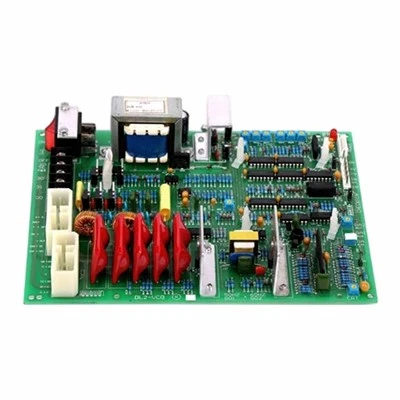
I get why it’s confusing. OTIS is one of the biggest names in elevators—you spot their blue cab panels and that iconic logo everywhere, from tiny 3-story suburban offices to skyscrapers that touch the clouds. But when you’re buying parts as a building manager, maintenance tech, or even a DIYer fixing your residential elevator, you can’t just grab any old OTIS part and slap it in, right? Let’s break this down like I would over a coffee at my warehouse (no stuffy jargon, promise).
First, let’s talk about what makes OTIS parts tick, because that’s the foundation here. OTIS designs every part to work with their own line of elevators—from the Gen2 (that super popular, space-saver model for mid-rise buildings) to the older Classic Series that’s been running since the 90s. Their parts are engineered to OTIS’ exact specs, not some generic off-the-shelf stuff. But “suitable for all buildings” isn’t a yes/no answer—it depends on three big things: the building’s use case, the elevator’s original model, and the environment the elevator’s in.
Let’s start with building type, because that’s where most people go wrong. Take residential buildings, for example. A 2-story single-family home with a small home elevator vs. a 20-unit apartment complex with a mid-rise OTIS elevator—those two need totally different parts. The home elevator uses tiny door operators, light-duty controllers, and a small traction system. If you try to use parts from an OTIS Gen2 mid-rise in that home elevator, it’s like using a pickup truck engine in a Mini Cooper. It’s not going to fit, and it’s definitely not going to handle the load or the daily run time. The apartment complex’s elevator, on the other hand, gets hammered 10+ times a day by residents with groceries, kids on bikes, etc.—so it needs heavy-duty door sensors, more robust brake pads, and controllers that can handle constant use. OTIS makes parts for both, but you can’t mix and match just because they’re OTIS-branded.
Next, commercial buildings. Let’s say a 10-story office building downtown vs. a grocery store that’s open 24/7. The office building’s elevator runs 8 hours a day, mostly during work hours. The grocery store’s elevator is running non-stop, carrying pallets, heavy coolers, and carts. OTIS makes parts for high-cycle commercial use—like their GTEN traction systems, which are built for heavy, frequent loads. But if you tried to use office elevator parts in a grocery store, those parts would wear out in months instead of years. I’ve seen this happen before: a grocery store maintenance guy ordered a set of OTIS office elevator door drives because they were cheaper, and within 2 weeks, the doors were jamming because the drives couldn’t handle the constant heavy use. That’s a $500 mistake he’d have to fix twice as fast.
Then there are the wild cards: specialty buildings. Hospitals, schools, skyscrapers, parking garages. A hospital needs elevators that can carry stretchers, so their parts need to be ultra-reliable. OTIS has dedicated parts for medical elevators—like extra-wide door operators that open faster, and controllers that can sync with other hospital systems. If you tried to use a standard OTIS elevator part in a hospital’s stretcher elevator, it wouldn’t meet safety codes, and that’s a huge no-no. Skyscrapers? Their elevators need parts that can handle extreme heights—wind pressure, temperature changes, huge vertical travel. OTIS makes parts specifically for high-rise applications, like their rope compensation systems that adjust for the weight of cables over 1000+ feet. Using a standard Gen2 part there would lead to uneven tension, which is a safety hazard.
Now, what about that old OTIS elevator in a 50-year-old building? Let’s be real—those Classics are workhorses, but their parts are getting hard to find. A lot of people ask me, “Can I use newer OTIS parts on an old elevator?” Sometimes, but not always. OTIS updates their part designs for safety and efficiency, but they don’t always make them backward-compatible. I had a customer last year with a 1980s OTIS elevator—they needed a new controller module, and the original part was discontinued. We worked with OTIS to find a retrofittable module that fits, but we couldn’t just grab a module from a 2000s Gen2 elevator—it wouldn’t wire up right, and it wouldn’t work with the old cab display. The key here is checking compatibility, not just brand.
Here’s another big one: environment. A building near the ocean (coastal areas) has salty air, which rusts parts like crazy. A warehouse building has dusty air, which gets into motors and sensors. OTIS makes parts for harsh environments too—their corrosion-resistant door hardware for coastal buildings, and dust-sealed controllers for warehouses. But if you put a standard OTIS door part in a coastal building, it’ll rust out in a year, no matter how good the brand is. I stock both standard and harsh-environment OTIS parts for exactly this reason.
Wait, but let’s not be negative. OTIS parts are way more suitable for different buildings than generic parts, right? Generic elevator parts work with any brand, but they don’t meet OTIS’ quality standards. A lot of people I talk to are scared of generic parts because they’ve had them break mid-use. OTIS parts, when matched to the right building and elevator model, are way more reliable. I’ve had customers tell me that OTIS brake pads last twice as long as generic ones, even in high-cycle commercial buildings. The problem isn’t that OTIS parts are bad—it’s that people aren’t matching the part to their specific building and elevator.
Let me give you a real example from my own warehouse. Last month, I had two orders: one from a 3-story elementary school, needing OTIS door safety sensors for their mid-rise Gen2 elevator, and another from a 4-story apartment complex, needing OTIS door sensors for their older Classic Series elevator. Both parts are OTIS, but they’re totally different sizes and specs. If I had shipped the wrong ones, both would have gotten sent back, and both customers would have had downtime. That’s why I always ask customers for the elevator model number, serial number, and building type before I suggest parts. That’s the key—matching specs, not just brand.
So, back to the original question: Are OTIS elevator parts suitable for all types of buildings? The short answer is no—unless you match the part to the specific elevator model, the building’s use case, and the environment. But the long answer is: OTIS parts are some of the most reliable, durable parts you can get for OTIS elevators, and when you pick the right part for your building, they work way better than generic alternatives.
I’m not here to sell you something you don’t need. If you come to me and say, “I need parts for a home elevator in a 2-story house,” I’m not going to give you heavy-duty parts meant for a 50-story skyscraper. I’ll find the exact OTIS parts that fit your model, handle the load, and work for your building. If you have an old elevator, I’ll help you find retrofittable parts that don’t require a full $10k controller upgrade. If you have a harsh environment, I’ll point you to the corrosion-resistant or dust-sealed parts OTIS makes for that.
Here’s the thing: elevators are lifelines. People rely on them every single day—teachers and kids in schools, shoppers in malls, patients in hospitals, residents in apartments. Using the wrong parts isn’t just an inconvenience—it’s a safety risk. That’s why I take my job as an OTIS parts supplier seriously. I don’t just stock boxes; I know what each part is for, what buildings it works with, and what to suggest if a customer isn’t sure.
If you’re a building manager, maintenance tech, or even a homeowner with an OTIS elevator, and you’re not sure if a part you need is suitable for your building, hit me up. Don’t guess and risk downtime or safety issues. Shoot me a message, tell me your elevator model, building type, and what part you need, and I’ll hook you up with the right OTIS part that fits and works for your space. No pressure, no sales pitches—just straight answers, like I’ve been giving for years.

At the end of the day, OTIS builds elevators to last, and their parts are designed to keep them running. But they’re not one-size-fits-all. With the right match, OTIS parts are perfect for almost every building type out there. You just have to make sure you’re picking the right one for your specific needs.
Elevator Parts for THYSSENKRUPP References:
- OTIS Elevator Company. (2022). OTIS Part Compatibility Guide: Mid-Rise and Low-Rise Building Applications.
- National Elevator Industry, Inc. (2023). Safety Standards for Replacement Elevator Components in Commercial and Residential Buildings.
- OTIS Elevator Company. (2021). Harsh Environment Elevator Parts Specification for Coastal and Industrial Buildings.
Shaanxi Nona Elevator Parts Co., Ltd.
As one of the leading elevator parts for otis manufacturers and suppliers in China, we warmly welcome you to wholesale bulk elevator parts for otis in stock here from our factory. All elevator parts are with high quality and competitive price. For pricelist, contact us now.
Address: No.1502 Ronghao Building, Xi’an City, Shaanxi Province, China
E-mail: candice@nonaelevator.com
WebSite: https://www.nonaelevatorparts.com/
