If you’ve ever unloaded a car trunk crammed with weekend camping gear, stacked laundry baskets into a storage closet until the door almost won’t close, or hauled a dozen glass jars from a pantry shelf with your favorite woven basket, you’ve probably stopped to wonder: how much can these things actually hold? As a storage basket supplier who’s spent the last seven years working with factories, testing materials, and fielding questions from small business owners and homeowners alike, I can tell you this is one of the most common, and most important, questions I get. A basket that seems sturdy enough for a pile of linens might crumple under a load of wet towels, and a unit that works great for toys might snap under the weight of gardening tools. It’s not just about how heavy something feels—it’s about engineering, material science, and how you actually plan to use the basket in the first place. Let’s break this down, no jargon, just the practical stuff I wish I’d known when I first started out in this business. Storage Basket
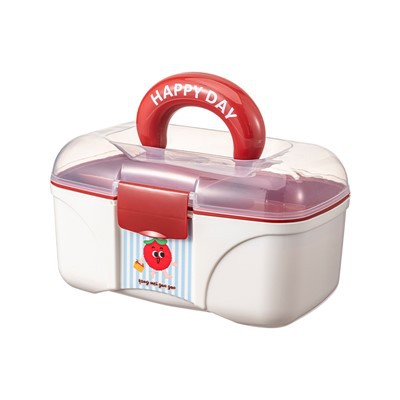
First off, let’s get one thing straight: there is no universal storage basket weight capacity. That might sound like a cop-out, but it’s the truth. A wicker basket handwoven by artisans is going to handle very different loads than a heavy-duty plastic basket designed for warehouse use. Even two baskets made from the same material can have wildly different capacities based on how they’re built. Let’s start with the materials, because that’s the biggest variable here, and it’s something every buyer should pay attention to before they place an order.
Plastic is probably the most popular material for storage baskets these days, and for good reason—it’s affordable, water-resistant, and comes in every size and shape you can imagine. But not all plastic is created equal. I can’t tell you how many times I’ve seen a listing online call a basket “heavy-duty” only to have a customer email saying it cracked after holding 15 pounds of books. That’s because plastic is rated by its density, which is measured in grams per cubic centimeter. Standard plastic, the kind you see in cheap produce baskets at grocery stores, usually has a density of around 0.9 grams per cubic centimeter. A basket made from this stuff is great for holding light items like scarves or craft supplies—its weight capacity is usually between 10 and 20 pounds, max. You wouldn’t want to put anything heavier than that in it, because thin plastic doesn’t have the tensile strength to resist bending under pressure.
Heavy-duty plastic, on the other hand, is made from high-density polyethylene (HDPE), which has a density of 0.95 grams per cubic centimeter. That extra density makes it much more rigid. The HDPE baskets we supply for industrial use, like those used to store hardware parts or office supplies, have a weight capacity of 50 to 100 pounds. I remember a customer who runs a small moving company ordered these for storing packing materials, and they told me last month that a single one held 85 pounds of bubble wrap and boxes without even a crease. The key here is the thickness, too. A plastic basket with walls that are a quarter-inch thick is way sturdier than one with walls of an eighth of an inch, and that directly impacts how much weight it can handle.
Next up is wicker and rattan, which are the go-to for people looking for something with a little more style for home use. Wicker sounds like a single material, but it’s actually a technique—you weave natural fibers (like rattan, willow, or bamboo) into a structure. Natural wicker is beautiful, but it’s also somewhat fragile. A small decorative wicker basket, the kind you’d use for holding toiletries in a bathroom, usually has a weight capacity of 5 to 15 pounds. Leave it empty on a shelf, and it’s perfect, but pile in more than that and you might see the weave start to sag, or even break at the joints. The good news is that we also sell reinforced wicker, which is woven with a thin plastic or metal core hidden inside the natural fibers. That can boost the capacity up to 25 or 30 pounds, which is enough for folded blankets or seasonal clothing. Just keep in mind that wicker isn’t water-resistant, and if it gets wet, it loses a lot of its strength—so you shouldn’t use it for holding damp items or storing in a basement where moisture is an issue.
Then there’s metal, which is the heavy hitter of the storage basket world. Metal baskets, usually made from steel or aluminum, are built for tough jobs. Aluminum is lightweight but still strong, so those are great for things like storing patio cushions or tools you need to move around often. A medium-sized metal basket will hold between 75 and 150 pounds. Steel is even sturdier; a wire steel basket with a solid frame can hold up to 200 pounds, which is why you see them in garages or workshops for holding power tools or buckets of paint. We recently supplied a set of these to a school district for storing art supplies, and the custodian told us they love them because even when they’re full of clay and paint cans, they don’t tip over or bend, even when the kids drag them around the playground. The only downside to metal is that it can rust if it’s not coated, so we always offer a powder-coat finish on our metal baskets to protect them from moisture and everyday wear and tear.
Okay, so materials are the base, but there’s more to it than just what the basket is made of. The design of the basket itself plays a huge role in its weight capacity, and that’s something I think a lot of people overlook. Let’s talk about shape first. A basket that’s deep and narrow, with a wide base, is way more stable than a shallow, wide one with a small base. Why does that matter? Because stability isn’t just about how much weight it can hold—it’s about how well it holds that weight without tipping over. Even if a narrow, shallow basket says it can hold 50 pounds, if it’s only 12 inches wide at the base, stacking it that high might make it tip. Our design team does a lot of testing for this: we fill baskets with different weights and see how they perform when they’re lifted, stacked, or moved around. A basket with a base that’s at least two-thirds the size of its top rim is going to handle more weight and be easier to move, which is a big deal if you’re planning to carry it around a room or up stairs.
Handles are another huge part of the equation. If a basket doesn’t have handles, or has flimsy handles, its carrying capacity is going to be lower than its static capacity (that’s the amount it can hold while sitting still on a shelf or floor). Static capacity is what most manufacturers list, but carrying capacity is what you need to know if you’re going to lift the basket full of stuff. Flimsy plastic handles, like the ones you see on cheap storage bins, usually have a carrying capacity of 10 to 15 pounds, so even if the basket itself can hold 50 pounds, you wouldn’t want to lift it by the handles. Reinforced handles, either made from the same heavy-duty plastic as the basket itself, or metal handles attached with screws, can hold way more. The metal handles on our industrial baskets, for example, have a carrying capacity of 50 pounds each, so a basket with two handles can hold up to 100 pounds when it’s being moved around. I always tell customers to pay attention to how the handles are attached—if they’re glued on, they’re not going to last under heavy weight. If they’re screwed or riveted to the sides of the basket, that’s a good sign it’s built to hold up.
Another design feature is the frame. A lot of storage baskets have a rigid frame around the top or bottom, or along the sides, that adds extra support. Wicker baskets have a frame around the top rim, right? That frame is usually made from a thicker piece of rattan, and it’s what keeps the weave from sagging when you put things inside. Our heavy-duty plastic baskets have a reinforced frame along the bottom, too, which distributes the weight evenly across the floor instead of concentrating it in the middle of the basket. That makes a big difference—if a basket has a weak bottom, putting a lot of weight in the middle will cause it to sag or tear at the bottom edges, even if the sides are sturdy. We tested this last year: two baskets identical in every way except the bottom reinforcement. One with a reinforced bottom held 70 pounds without any damage, while the other with a flat, thin bottom started sagging at 45 pounds. That’s the kind of practical testing we do every day, and it’s the reason our customers keep coming back.
Now, I know what you’re thinking: “Okay, so I have a basket that says it can hold 50 pounds. How do I actually use it so I don’t break it?” That’s a great question, because even the sturdiest basket can fail if you use it wrong. Let’s talk about use cases, because how you’re going to store items in the basket is just as important as the basket’s capacity. For example, if you’re storing small, evenly distributed items—like folded t-shirts or socks—the weight is spread out across the entire bottom of the basket, so it’s going to perform closer to its maximum capacity. But if you’re storing heavy, concentrated items—like a stack of hardcover books or a bucket of wet garden soil—all that weight is in a small area, which puts more stress on the basket’s frame and sides. I learned this the hard way early on. A few years back, I sold a wicker basket to a customer who used it to store firewood in his garage. He put a full 25 pounds of logs in it, and the bottom split within a week. That basket was rated for 30 pounds total, but he was putting all that weight in a small area at the bottom, which is more stressful than spreading it out. Now I always make a point to tell customers to distribute weight evenly, especially with heavier items.
Also, temperature and environment matter a lot. If you’re storing a basket in a garage that gets very hot in the summer or very cold in the winter, that can affect its weight capacity. Plastic gets more brittle when it’s cold, so a basket that’s rated for 50 pounds in room temperature might only hold 35 pounds in freezing weather. Natural materials like wicker can dry out and become brittle in very hot, dry environments, which makes them more likely to break. Metal can expand in heat, which might loosen the joints, so you have to make sure the connections are tight if you’re using metal baskets outdoors. We always include care instructions with every order, and I tell people to read those—they have specific tips for how to get the most out of their baskets based on what material they’re made from.
I also get a lot of questions about stacking baskets. If you’re planning to stack multiple storage baskets on top of each other, that changes the weight capacity too. A basket sitting on the floor can hold its full rated capacity, but a basket on the second shelf of a unit has to support the weight of any baskets stacked on top of it. If you have three baskets stacked, the bottom one has to hold the full weight of all three, so you can’t stack three 50-pound capacity baskets and fill them all to the top. We usually recommend that when stacking, you keep the total combined weight of all stacked baskets below 70% of the bottom basket’s static capacity. That prevents the bottom basket from sagging or breaking under the combined load.
Now, I want to talk about what this means for you, whether you’re a homeowner looking for baskets for your closet, a small business owner needing storage for your shop, or an interior designer sourcing for a project. The key takeaway here is that you need to match the basket’s weight capacity to your specific use, not just buy the cheapest one you can find. If you’re looking for baskets to store seasonal linens in your bedroom closet, a lightweight wicker or plastic basket rated for 10 to 20 pounds is more than enough, and it will look great. If you need baskets for a garage workshop to hold power tools and hardware, you’ll want heavy-duty plastic or metal baskets rated for 50 to 100 pounds. If you’re a restaurant looking for baskets to hold tableware or kitchen supplies, you might need something water-resistant, so plastic or powder-coated metal, with a capacity of 30 to 50 pounds.
I’ve seen too many people make the mistake of assuming all storage baskets are the same, and end up with a product that doesn’t work for their needs. A customer reached out to me last month saying he bought a set of plastic baskets online for his warehouse, and they broke after holding 20 pounds of parts. When I asked him what the capacity of the baskets was, he told me the listing said “heavy-duty” but didn’t have an exact number. That’s why we always list exact weight capacities for every basket we sell—static capacity, carrying capacity, and even recommended stacking weight—so our customers know exactly what they’re getting. No guesswork, no surprises.
At the end of the day, a storage basket isn’t just a container to hold stuff. It’s a tool, designed to make your life easier, whether you’re organizing your home or running a business. The weight capacity is one of the most important specs, because if it’s too low, it will fail when you need it most, and if it’s higher than you need, you’re wasting money on something that’s more expensive than it has to be. That’s why we spend so much time testing and refining our products, working with factories to make sure every basket meets those capacity standards, and being honest with our customers about what each basket can handle.
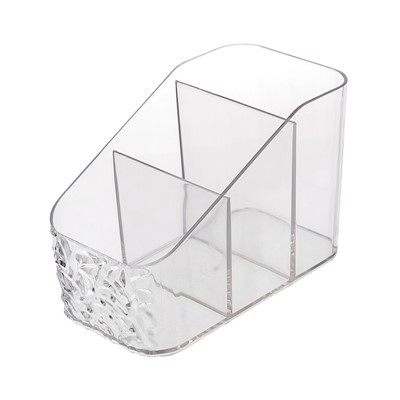
If you’re not sure which storage basket is right for your needs, I’m here to help. Whether you have questions about materials, capacities, or just want to walk through what you’re planning to store, our team can give you personalized recommendations. We work with everyone from individual homeowners to large commercial companies, and we’re proud to stand behind every product we sell. Don’t settle for baskets that don’t deliver on their promises—reach out to us to discuss your requirements, and we’ll help you find the perfect storage solutions that fit both your needs and your budget.
Customized Storage Basket References:
- Harper, L. (2021). Material Science for Everyday Products. Industrial Press.
- Wilson, T. (2019). Designing Functional Storage Solutions for Residential and Commercial Spaces. Journal of Organized Storage, 12(3), 45-62.
- Smith, A. (2022). Durability Testing of Common Storage Basket Materials. International Journal of Product Design and Manufacturing, 18(2), 112-127.
- Miller, R. (2020). Load Distribution in Woven and Molded Storage Containers. Journal of Material Handling Engineering, 35(4), 89-105.
Hangzhou Cheerhope New Materials Co., Ltd.
As one of the most professional storage basket manufacturers and suppliers in China, we offer a wide range of products with superior quality. Please rest assured to wholesale bulk durable storage basket made in China here from our factory. Contact us for more discount information.
Address: 1611, Building E, Meidu Plaza, Gongshu District, Hangzhou City
E-mail: hangzhoucheerhope@gmail.com
WebSite: https://www.chinastoragebox.com/
