As a supplier of Sintered Metal Powder Filters, I’ve witnessed firsthand the pivotal role these filters play in numerous industries. In complex industrial environments, the performance of these filters is often affected by various factors, and fatigue is one that can’t be ignored. This article will delve into the effects of fatigue on sintered metal powder filter performance, hoping to provide valuable insights for users and potential customers. Sintered Metal Powder Filter
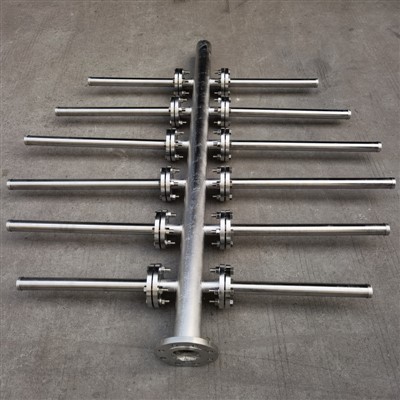
Understanding Sintered Metal Powder Filters
Before we explore the impact of fatigue, it is essential to understand what sintered metal powder filters are and how they work. These filters are created by compacting metal powders under high pressure and then heating them in a controlled atmosphere to a temperature below the melting point of the primary metal. This process, known as sintering, fuses the metal particles together, creating a porous, yet strong structure.
The porous nature of sintered metal powder filters allows them to trap particles while allowing fluids to pass through. They are highly valued for their high strength, excellent chemical resistance, and ability to operate at high temperatures. These filters are used in a wide range of applications, including oil and gas, chemical processing, food and beverage, and pharmaceuticals, to name a few. Firms in these sectors rely on these filters to ensure the purity of their products and the smooth operation of their equipment.
The Concept of Fatigue in Filters
In the context of sintered metal powder filters, fatigue refers to the gradual deterioration of the filter’s structure due to repeated loading and unloading, mechanical vibration, or temperature cycling. Just like any other material, sintered metal filters are subject to stress when in use. Over time, this stress can lead to the development and propagation of cracks, which can compromise the integrity of the filter and ultimately affect its performance.
Prolonged exposure to fluctuating pressures, for example, causes stress that may result in fatigue. Every time the filter experiences a pressure change, it expands or contracts slightly. These repeated mechanical movements can cause micro – cracks to form in the filter material. Similarly, temperature cycling can lead to thermal expansion and contraction within the filter. The resulting thermal stresses may also contribute to the development of fatigue.
Effects of Fatigue on Filter Performance
1. Reduced Filtration Efficiency
One of the most significant effects of fatigue on sintered metal powder filters is the reduction in filtration efficiency. As fatigue causes cracks to form and propagate within the filter structure, these cracks create alternative paths for fluid flow. This means that particles that should be trapped by the filter can now pass through these cracks, leading to a decrease in the filter’s ability to remove contaminants from the fluid.
In industries where high – purity products are required, such as the pharmaceutical and food and beverage industries, a reduction in filtration efficiency can have serious consequences. For example, in pharmaceutical manufacturing, even a small amount of contamination can render a batch of drugs unfit for use, leading to financial losses and potential health risks for consumers.
2. Decreased Mechanical Strength
Fatigue also weakens the mechanical strength of the sintered metal powder filter. Cracks in the filter structure act as stress concentrators, making the filter more vulnerable to further damage. As the fatigue progresses, the filter may eventually break, leading to a complete failure of the filtration system.
In industrial settings, a broken filter can cause significant disruptions to the production process. For example, in an oil and gas facility, if a filter fails, it can lead to the contamination of downstream equipment, such as pumps and valves. This not only requires costly repairs but also results in downtime, affecting the overall productivity of the facility.
3. Changes in Permeability
The permeability of a sintered metal powder filter, which is a measure of how easily fluid can flow through it, can also be affected by fatigue. Initially, as cracks form, the permeability may increase slightly due to the additional flow paths created by the cracks. However, as the fatigue progresses and the cracks grow larger, the filter structure can become more damaged, and the permeability may start to decrease.
An improper change in permeability can have a negative impact on the performance of the filtration system. In a chemical processing plant, for example, if the permeability of the filter changes too much, it can disrupt the flow rate of the process fluid, affecting the efficiency of chemical reactions and the quality of the final product.
4. Compromised Long – term Reliability
Over time, fatigue undermines the long – term reliability of sintered metal powder filters. A filter that is experiencing fatigue is more likely to fail prematurely, leading to increased maintenance costs and the need for more frequent replacements.
For industries that operate on a large scale or in continuous production processes, such as the automotive and aerospace industries, the long – term reliability of filters is of utmost importance. Premature filter failure can lead to unplanned downtime, loss of production, and significant financial losses.
Mitigating the Effects of Fatigue
To mitigate the effects of fatigue on sintered metal powder filters, several strategies can be employed. First and foremost, proper filter selection is crucial. When choosing a filter, it is essential to consider the operating conditions, such as pressure, temperature, and the type of fluid being filtered. This ensures that the filter is designed to withstand the specific stresses it will encounter.
Regular maintenance and inspection of the filters are also vital. By monitoring the performance of the filters, any signs of fatigue, such as changes in pressure drop or filtration efficiency, can be detected early. This allows for timely replacement or repair, preventing more severe damage and system failures.
In addition, optimizing the operating conditions can help reduce the stress on the filters. For example, minimizing pressure fluctuations and temperature cycling can significantly reduce the risk of fatigue.
Conclusion

Fatigue has a substantial impact on the performance of sintered metal powder filters. It can reduce filtration efficiency, decrease mechanical strength, change permeability, and compromise long – term reliability. As a supplier of these filters, I understand the importance of providing high – quality products that can withstand the rigors of industrial use.
Sintered Metal Powder Filter If you are in need of sintered metal powder filters for your industrial applications, I encourage you to reach out and start a conversation. We can discuss your specific requirements and help you select the most suitable filters for your needs. By choosing our filters, you can ensure the efficient and reliable operation of your filtration systems, minimizing the risks associated with filter fatigue.
References
- ASM Handbook Committee. (2008). ASM Handbook Volume 7: Powder Metal Technologies and Applications. ASM International.
- Callister, W. D., & Rethwisch, D. G. (2017). Materials Science and Engineering: An Introduction. Wiley.
- Fuchs, H., & Stephens, R. I. (2000). Metal Fatigue in Engineering. Wiley – Interscience.
Henan Easy Filter Equipment Co., Ltd.
As one of the leading sintered metal powder filter manufacturers and suppliers in China, we offer a wide range of products with superior quality. Please rest assured to buy advanced sintered metal powder filter from our factory. We also accept customized orders.
Address: Apartment No.1, Building No.2, Zhengshang Jinyushijia, Xinzhong Street, Xinxiang, Henan, China.
E-mail: vivian@easyfiltertech.com
WebSite: https://www.easyfilter-china.com/
