Hey there! As a supplier of disinfectant wipes, I often get asked a bunch of questions about how to use our products. One question that pops up quite a bit is, "Can disinfectant wipes be used on wooden surfaces?" Well, let’s dive right into this topic and find out. Disinfectant Wipes
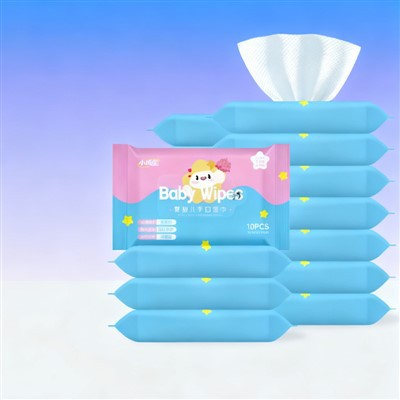
First off, you gotta understand what’s in these disinfectant wipes. Most of our wipes are loaded with chemicals that are designed to kill germs and bacteria. Stuff like alcohol, hydrogen peroxide, and various disinfectant agents. These chemicals are great at getting rid of all the yucky stuff on surfaces, but they can also have some effects on different materials, including wood.
Wood is a natural material, and it has its own unique properties. It’s porous, which means it can soak up liquids. If you use a disinfectant wipe that has a high – alcohol content on wood, the alcohol can dry out the wood over time. This can lead to the wood cracking or warping. The chemicals in the wipes can also strip away the natural oils in the wood that keep it looking nice and healthy.
But here’s the good news. Not all disinfectant wipes are bad for wood. Some of our wipes are specially formulated to be gentle on wood surfaces. These wipes have a lower concentration of harsh chemicals and may even contain ingredients that help condition the wood. For example, we have some wipes that have a small amount of natural oils like lemon oil or jojoba oil. These oils can actually help protect the wood while still disinfecting it.
When you’re thinking about using disinfectant wipes on wooden surfaces, you need to consider the type of wood. There are different kinds of wood, from softwoods like pine to hardwoods like oak. Softwoods are more delicate and can be more easily damaged by the chemicals in the wipes. Hardwoods are generally more resistant, but they still need to be treated with care.
Let me give you a little tip. Before you go all out and start wiping down your wooden table or cabinet, do a small test. Find a hidden area of the wood, like the back of a drawer or the underside of a table. Wipe a small section with the disinfectant wipe and wait for a few hours. Check to see if there are any changes in the color, texture, or finish of the wood. If everything looks okay, then you can go ahead and use the wipes on the rest of the surface.
Another thing to keep in mind is how often you use the disinfectant wipes on wood. If you’re constantly wiping down a wooden surface with these wipes, it can cause more damage over time. It’s best to use them sparingly. Maybe once a week or when the surface is really dirty or has been in contact with something germ – ridden.
Now, if you do decide to use our disinfectant wipes on wooden surfaces, here’s how you should do it. First, make sure the wipe is not too wet. You don’t want to soak the wood. Gently wipe the surface in the direction of the wood grain. This helps prevent scratches and makes sure the wipe can do its job effectively. After wiping, let the surface air dry. Avoid using a towel to dry it, as this can sometimes spread the chemicals around and may also scratch the wood.
Some people might wonder if they can use regular household cleaning wipes on wood instead of disinfectant wipes. Well, regular cleaning wipes may not have the same disinfecting power, but they can be a better option for wood in some cases. They usually have fewer harsh chemicals. But if you’re worried about germs, especially during cold and flu season or in a place where there’s been an illness, our disinfectant wipes are still a good choice.
I’ve also heard people ask about using disinfectant wipes on painted or finished wooden surfaces. Painted or finished wood is a bit different. The paint or finish acts as a barrier between the wood and the chemicals in the wipes. But still, you need to be cautious. Some paints or finishes can be damaged by the chemicals in the wipes. Again, do a test first. If the paint or finish is in good condition and has been properly sealed, it’s more likely to withstand the use of our wipes.
So, to sum it all up, yes, disinfectant wipes can be used on wooden surfaces, but you need to be careful. Choose the right type of wipes, do a test first, and use them sparingly. Our company offers a range of disinfectant wipes, including some that are specifically designed for use on wood. We’ve spent a lot of time researching and developing these products to make sure they are both effective at disinfecting and gentle on different materials.

If you’re in the market for high – quality disinfectant wipes for your wooden surfaces or any other surfaces, we’d love to talk to you. Whether you’re a homeowner looking for a good cleaning solution or a business owner in need of bulk supplies, we’ve got you covered. Reach out to us to learn more about our products, discuss pricing, and find out how we can meet your specific needs.
Baby Wipes References:
- "Wood Care Basics" by Woodworkers Journal
- "Disinfectant Chemicals and Their Effects on Materials" published by the Institute of Cleaning Science
Shanghai Joy Crown Industry Co., Ltd.
As one of the most professional disinfectant wipes manufacturers and suppliers in China, our company have world-leading production equipment and strong manufacturing capabilities. Please feel free to buy high quality disinfectant wipes made in China here from our factory. Contact us for OEM service.
Address: No.55-56 Lane 21 Pu San Road, Pudong New Area, 200125 Shanghai, P.R.China.
E-mail: sales@joybiowipes.com
WebSite: https://www.joybiowipes.com/
