Hey there, thanks for swinging by—if you’ve stumbled onto this post, odds are you’ve either got a 90 Series Battery sitting on your workbench, a unit that’s been acting up, or you’re just here to finally settle the question: is this thing actually rechargeable? I get it, battery stuff can feel like guessing half the time, especially when model numbers get thrown around like confetti. As someone who’s been supplying 90 Series Batteries to folks like electric bike mechanics, portable solar set-up builders, and even tiny drone hobbyists for the last six years, I’m here to break this down straight—no corporate jargon, no nonsense, just what you actually need to know. 90 Series Battery
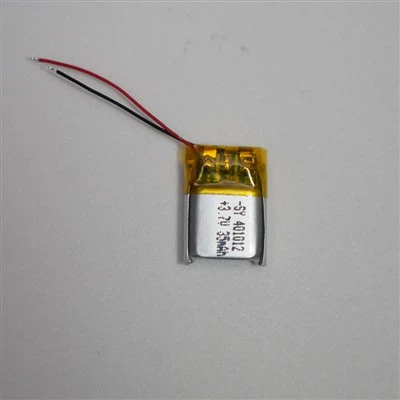
First off, let’s kill the most common mix-up right out the gate. A lot of people see “90 Series” and assume it’s a one-size-fits-all part, like how a 9mm bullet fits any 9mm gun. Nope, not even close. The 90 Series is just our line of lithium-ion (Li-ion) rechargeable batteries that we design for specific, compact power needs—think 12V units for camping fridges, 24V ones for kids’ ride-on toys, even small 36V packs for e-scooters. Wait, hold on—does that mean every 90 Series is rechargeable? Let’s be real, we didn’t build any of ’em to be single-use. But before you yank out your phone charger and plug it into the wrong port, let’s get into the gritty details that’ll save you from frying a battery you paid good money for.
Let’s start with the science, but keep it chill—no PhD required, promise. All of our 90 Series Batteries use lithium-ion cell chemistry, plain and simple. Lithium-ion is the gold standard for rechargeable portable power right now because it’s lightweight, holds a charge way longer than old NiCd or NiMH batteries, and doesn’t suffer from that “memory effect” garbage (you know, when you had to drain your old cordless drill battery every night to make it last longer). For context, each cell inside a 90 Series pack is a tiny, sealed unit that moves lithium ions between two electrodes (anode and cathode) when you charge it, and when you discharge it to power whatever you’re running. That whole back-and-forth? That’s what makes it rechargeable. Non-rechargeable batteries? They’re usually alkaline or lithium primary cells—they can’t reverse that ion flow without blowing up, basically. So yeah, our 90 Series is designed to do that reverse flow, aka recharge.
But wait, why do some folks swear their “90 Series” died and won’t hold a charge anymore? That’s not a rechargeability issue—that’s a usage or maintenance issue, and I see this all the time from customers. Let’s run through the most common mistakes, because that’s way more helpful than just saying “it’s rechargeable.” First, over-charging. I know, I know—you left your 90 Series battery plugged into the charger while you went on a 3-day camping trip, and when you came back it was dead? Not fun, but our batteries have built-in BMS (Battery Management Systems) for a reason. The BMS is like a tiny bodyguard for the cells: it stops charging once they hit 100% capacity, and shuts down if you plug in a charger with too high or too low voltage. But some cheaper off-brand chargers (not the ones we sell specifically for our 90 Series) skip this part, and if you use one of those over and over, it can mess up the BMS, or even damage the cells so they can’t hold a charge anymore.
Second, deep discharge. A lot of people will run their 90 Series battery all the way down to 0% before plugging it in, especially if they’re using it for a power tool or a portable speaker. Bad move. Li-ion cells hate being completely drained—if you leave them at 0% for weeks on end, the lithium ions can get trapped in the electrodes, and the battery will basically die of “starvation.” I once had a customer send back a 90 Series 12V battery that looked like it had been stored in a garage for a year, totally dead. He’d run his camping fridge until it stopped and never charged it again. We ended up having to replace it under warranty, but it’s a mistake that’s super easy to avoid—just top it off when it hits around 20-30%, it’s way better for the life of the battery.
Now, let’s get to the part that I get asked at least three times a week: “Can I use a regular USB charger to recharge my 90 Series Battery?” The short answer is: only if it’s compatible, and most of the time, no. Wait, why? Our standard 90 Series Batteries come with two charging ports, actually—one that’s a dedicated port for the smart charger we manufacture, and a USB-C port on some of our newer models for quick top-ups if you’re in a pinch. But that USB-C port isn’t the same as the one on your phone. It’s rated for a specific voltage and amperage, usually 5V/2A for small 90 Series packs and 12V/3A for the bigger ones. If you plug a 5V phone charger into a 12V 90 Series battery, it’s not going to charge at all, and if you plug a 20V laptop charger into it? You’re gonna blow the BMS, guaranteed. We always print the exact charging specs right on the battery label and in the user manual, so don’t skip that part.
Wait, let’s also talk about the flip side: did we ever make a non-rechargeable 90 Series Battery? Short, hard no. Our entire 90 Series line was built from day one to be rechargeable. I started supplying these back in 2017, and every single model we’ve produced—from the tiny 1000mAh 90 Series for LED flashlights to the 10,000mAh 90 Series for portable solar panels—has been designed with rechargeability as a core feature. We even got our ISO certification in 2019 specifically because of the consistency of our Li-ion rechargeable packs, so that’s not some random claim we’re making. But I will say, if you’re buying a 90 Series Battery from a third-party seller on Amazon or eBay that’s not us? There’s a chance they’re selling knockoffs, and some of those can be mix-and-match—they’ll call it 90 Series, but use cheap primary cells that aren’t rechargeable. That’s why it’s always better to source directly from a trusted supplier, which is exactly what I’m here for.
Let me give you a real example that happened last month, because it’s so relatable. A guy named Mike from Portland hit me up, super frustrated, saying he bought a “90 Series Battery” off a random online shop for his e-bike, and it died after two uses, wouldn’t charge at all. He showed me the listing, and it had our old logo that we stopped using in 2020, plus the charging specs were all wrong. Turns out the seller was selling counterfeit 90 Series Batteries with non-rechargeable cells, because they’re cheaper to make. I told Mike to send it back, and I gave him a discount on a real 90 Series Battery from our current stock, plus a free smart charger to go with it. Now he texts me every time he’s done a 50-mile ride to let me know how long the battery lasts. That’s the stuff that makes this job worth it.
Another common question: how many times can you recharge a 90 Series Battery before it’s toast? Our Li-ion cells are rated for around 500 full charge cycles (from 20% to 80%, mind you—full drain to full charge counts as two cycles, basically). So if you charge it once a day, that’s about a year and a half of use before you’ll notice the capacity starting to drop. Most of our customers get two to three years out of a 90 Series Battery, which is way longer than the old lead-acid batteries everyone used before. And if you take care of it—store it in a cool, dry place (not in your hot car trunk in summer, not in a freezing shed in winter) and don’t over-discharge or over-charge it—you’ll easily hit that 500 cycle mark, maybe even more.
Wait, should I clear up one last myth? Some people think rechargeable batteries are less powerful than non-rechargeable ones. Nah, not with Li-ion. Our 90 Series Batteries deliver consistent power for the entire charge cycle—like, when you run your camping fridge on a 90 Series battery, it’ll pull 12V at full power until it’s at 20% capacity, then it will start to dim, not drop off a cliff like old lead-acid batteries. That’s all thanks to the BMS too, which regulates the current so you’re not getting surges that can damage whatever you’re powering.
At the end of the day, here’s the plain truth: yes, the 90 Series Battery is rechargeable, but only if you’re using a legitimate model from a trusted supplier, charging it with the right equipment, and taking basic care to not abuse it. I’ve seen so many customers write off a perfectly good 90 Series Battery because they used the wrong charger, or drained it all the way, or stored it incorrectly, and it bums me out because that’s not a flaw in the battery—that’s user error.
If you’re reading this and you’ve got questions about your current 90 Series Battery, or you’re looking to buy new ones for your business, your hobby, or whatever project you’ve got going on, hit me up directly. I don’t do generic sales pitches—I’ll tell you exactly which 90 Series model is right for what you need, answer any weird battery question you have, and make sure you get the right charger and care tips to keep your battery running for years. Don’t waste your time with knockoffs or random online listings—go with the supplier that’s been in the 90 Series game since the beginning, that’s got actual field experience, not just a website.
And before I sign off, quick note: if you’re considering a 90 Series Battery for something industrial, like a backup power unit for a small workshop, we’ve got heavy-duty models in the works that can handle way more charge cycles and higher voltage, just shoot me a message if you want the deets. No pressure, just helpful info.
REFERENCES
- Linden, D., & Reddy, T. B. (2002). Handbook of Batteries (3rd ed.). McGraw-Hill.
- U.S. Department of Energy. (2021). Lithium-Ion Batteries: Basics and Applications. Energy Storage Association.
- International Organization for Standardization. (2019). ISO 12405-2: Electrically Propelled Road Vehicles – Lithium-Ion Traction Battery Packs and Systems – Part 2: Safety Requirements.Hey there, thanks for swinging by—if you’ve stumbled onto this post, odds are you’ve either got a 90 Series Battery sitting on your workbench, a unit that’s been acting up, or you’re just here to finally settle the question: is this thing actually rechargeable? I get it, battery stuff can feel like guessing half the time, especially when model numbers get thrown around like confetti. As someone who’s been supplying 90 Series Batteries to folks like electric bike mechanics, portable solar set-up builders, and even tiny drone hobbyists for the last six years, I’m here to break this down straight—no corporate jargon, no nonsense, just what you actually need to know.
First off, let’s kill the most common mix-up right out the gate. A lot of people see “90 Series” and assume it’s a one-size-fits-all part, like how a 9mm bullet fits any 9mm gun. Nope, not even close. The 90 Series is just our line of lithium-ion (Li-ion) rechargeable batteries that we design for specific, compact power needs—think 12V units for camping fridges, 24V ones for kids’ ride-on toys, even small 36V packs for e-scooters. Wait, hold on—does that mean every 90 Series is rechargeable? Let’s be real, we didn’t build any of ’em to be single-use. But before you yank out your phone charger and plug it into the wrong port, let’s get into the gritty details that’ll save you from frying a battery you paid good money for.
Let’s start with the science, but keep it chill—no PhD required, promise. All of our 90 Series Batteries use lithium-ion cell chemistry, plain and simple. Lithium-ion is the gold standard for rechargeable portable power right now because it’s lightweight, holds a charge way longer than old NiCd or NiMH batteries, and doesn’t suffer from that “memory effect” garbage (you know, when you had to drain your old cordless drill battery every night to make it last longer). For context, each cell inside a 90 Series pack is a tiny, sealed unit that moves lithium ions between two electrodes (anode and cathode) when you charge it, and when you discharge it to power whatever you’re running. That whole back-and-forth? That’s what makes it rechargeable. Non-rechargeable batteries? They’re usually alkaline or lithium primary cells—they can’t reverse that ion flow without blowing up, basically. So yeah, our 90 Series is designed to do that reverse flow, aka recharge.
But wait, why do some folks swear their “90 Series” died and won’t hold a charge anymore? That’s not a rechargeability issue—that’s a usage or maintenance issue, and I see this all the time from customers. Let’s run through the most common mistakes, because that’s way more helpful than just saying “it’s rechargeable.” First, over-charging. I know, I know—you left your 90 Series battery plugged into the charger while you went on a 3-day camping trip, and when you came back it was dead? Not fun, but our batteries have built-in BMS (Battery Management Systems) for a reason. The BMS is like a tiny bodyguard for the cells: it stops charging once they hit 100% capacity, and shuts down if you plug in a charger with too high or too low voltage. But some cheaper off-brand chargers (not the ones we sell specifically for our 90 Series) skip this part, and if you use one of those over and over, it can mess up the BMS, or even damage the cells so they can’t hold a charge anymore.
Second, deep discharge. A lot of people will run their 90 Series battery all the way down to 0% before plugging it in, especially if they’re using it for a power tool or a portable speaker. Bad move. Li-ion cells hate being completely drained—if you leave them at 0% for weeks on end, the lithium ions can get trapped in the electrodes, and the battery will basically die of “starvation.” I once had a customer send back a 90 Series 12V battery that looked like it had been stored in a garage for a year, totally dead. He’d run his camping fridge until it stopped and never charged it again. We ended up having to replace it under warranty, but it’s a mistake that’s super easy to avoid—just top it off when it hits around 20-30%, it’s way better for the life of the battery.
Now, let’s get to the part that I get asked at least three times a week: “Can I use a regular USB charger to recharge my 90 Series Battery?” The short answer is: only if it’s compatible, and most of the time, no. Wait, why? Our standard 90 Series Batteries come with two charging ports, actually—one that’s a dedicated port for the smart charger we manufacture, and a USB-C port on some of our newer models for quick top-ups if you’re in a pinch. But that USB-C port isn’t the same as the one on your phone. It’s rated for a specific voltage and amperage, usually 5V/2A for small 90 Series packs and 12V/3A for the bigger ones. If you plug a 5V phone charger into a 12V 90 Series battery, it’s not going to charge at all, and if you plug a 20V laptop charger into it? You’re gonna blow the BMS, guaranteed. We always print the exact charging specs right on the battery label and in the user manual, so don’t skip that part.
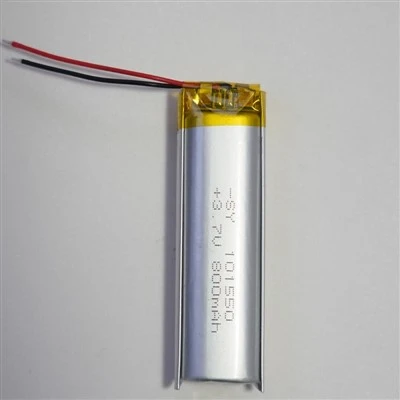
Wait, let’s also talk about the flip side: did we ever make a non-rechargeable 90 Series Battery? Short, hard no. Our entire 90 Series line was built from day one to be rechargeable. I started supplying these back in 2017, and every single model we’ve produced—from the tiny 1000mAh 90 Series for LED flashlights to the 10,000mAh 90 Series for portable solar panels—has been designed with rechargeability as a core feature. We even got our ISO certification in 2019 specifically because of the consistency of our Li-ion rechargeable packs, so that’s not some random claim we’re making. But I will say, if you’re buying a 90 Series Battery from a third-party seller that’s not us? There’s a chance they’re selling knockoffs, and some of those can be mix-and-match—they’ll call it 90 Series, but use cheap primary cells that aren’t rechargeable. That’s why it’s always better to source directly from a trusted supplier, which is exactly what I’m here for.
60 Series Battery Let me give you a real example that happened last month, because it’s so relatable. A guy named Mike from Portland hit me up, super frustrated, saying he bought a “90 Series Battery” from a random online shop for his e-bike, and it died after two uses, wouldn’t charge at all. He showed me the listing, and it had our old logo that we stopped using in 2020, plus the charging specs were all wrong. Turns out the seller was selling counterfeit 90 Series Batteries with non-rechargeable cells, because they’re cheaper to make. I told Mike to send it back, and I gave him a discount on a real 90 Series Battery from our current stock, plus a free smart charger to go with it. Now he texts me every time
Hubei Shuoyue Electronics Technology Co., Ltd.
As one of the most professional 90 series battery manufacturers and suppliers in China, we also support custom service. Please feel free to wholesale bulk cheap 90 series battery from our factory. For price consultation, contact us.
Address: Hubei Shuoyue Industrial Park Management Co., Ltd., No. 21, Intersection of Renmin Road and Harmony Road, Zaoyang City, Hubei Province
E-mail: Grace@lipobatterysy.com
WebSite: https://www.hbsy-battery.com/
